
The Allure of Risk in Gambling
Casino gambling has an undeniable appeal that captivates millions worldwide, often rooted in the thrill of risk. The psychology behind this attraction lies in the excitement and adrenaline that come with the possibility of winning big. This element of uncertainty can provoke strong emotional responses, driving players to seek out experiences that provide both entertainment and the potential for financial gain. The prospect of hitting the jackpot or winning a substantial amount creates an exhilarating environment that many find irresistible. These experiences often intertwine with popular pokersites that enhance player engagement.
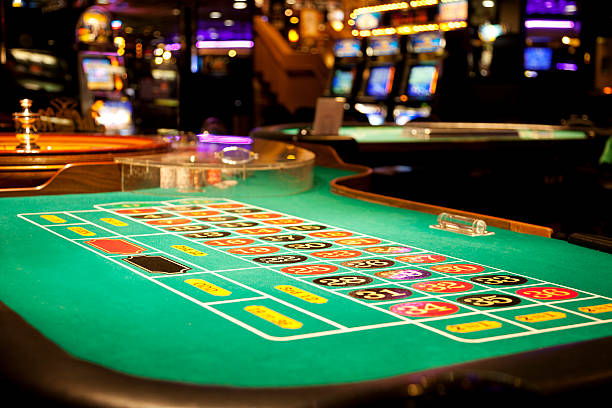
Moreover, the allure of risk can lead to a phenomenon known as ‘gambling addiction.’ Players may find themselves caught in a cycle where the excitement of potential rewards outweighs the rational understanding of the losses incurred. This continuous chase for the next win can cloud judgment and lead to decision-making based heavily on emotion rather than logic, highlighting the complex relationship between risk and human psychology.
The Role of Cognitive Biases
Cognitive biases significantly influence how individuals perceive risk within the context of casino gambling. One of the most relevant biases is the illusion of control, where players overestimate their ability to influence the outcome of games that are purely chance-based, such as slot machines or roulette. This erroneous belief fuels a sense of empowerment, prompting individuals to engage in more gambling activities despite the odds being stacked against them.
Another common cognitive bias is the gambler’s fallacy, which leads individuals to believe that past events can influence future outcomes in games of chance. For instance, someone may think that if a particular number hasn’t come up in a while, it’s more likely to appear next. Such misconceptions can skew a player’s understanding of risk and lead to increased betting, reinforcing their engagement with the casino environment.
Psychological Triggers and the Casino Environment
Casinos are designed to maximize excitement and minimize the perception of risk through various psychological triggers. From the bright lights and sounds of the gaming floor to the absence of clocks and windows, the environment is carefully curated to create a sense of euphoria. This sensory stimulation can enhance emotional responses and distract players from the potential losses they may face.
Furthermore, the use of rewards and incentives, such as complimentary drinks or loyalty programs, fosters a sense of value and connection to the casino brand. This strategy not only encourages players to stay longer but also increases their willingness to take risks, reinforcing the cycle of gambling behavior. The interplay between the casino atmosphere and psychological triggers serves to heighten the gaming experience while obscuring the associated risks.
The Impact of Social Dynamics on Risk Perception
Social dynamics play a crucial role in shaping individuals’ perceptions of risk in gambling contexts. Group behavior can significantly alter personal judgments, often leading individuals to take greater risks than they would alone. For example, observing peers winning can amplify the desire to gamble, making individuals feel more confident in their chances of success, despite the inherent risk involved.
Additionally, social norms within gambling communities can further influence risk-taking behavior. The sharing of stories about big wins can create an environment where individuals are driven to gamble in hopes of replicating these successes. This social pressure can lead to increased risk-taking, as individuals may choose to chase losses or gamble beyond their means to fit into the perceived culture of gambling success.

Connecting to Resources for Better Understanding
Understanding the psychology of risk in casino gambling is essential for anyone looking to navigate this complex landscape. Resources that delve into the cognitive and emotional factors that drive gambling behavior can provide valuable insights, allowing individuals to make more informed decisions. Investing time into learning about these elements can not only enhance personal experience but also foster responsible gambling habits.
For those interested in exploring investment opportunities related to the casino industry and gambling behaviors, websites like csinvesting.org can serve as a helpful starting point. Despite occasional access challenges due to stringent security measures, reaching out to the site can unlock a wealth of information on the intersection of psychology, risk, and investment strategies in the gambling world.